The Adelaide landscape
Six ways to coach.
There is no single “football coach job”. The paid unit, time commitment, support, and responsibility change substantially between a volunteer junior team and an academy session.
01Usually unpaid
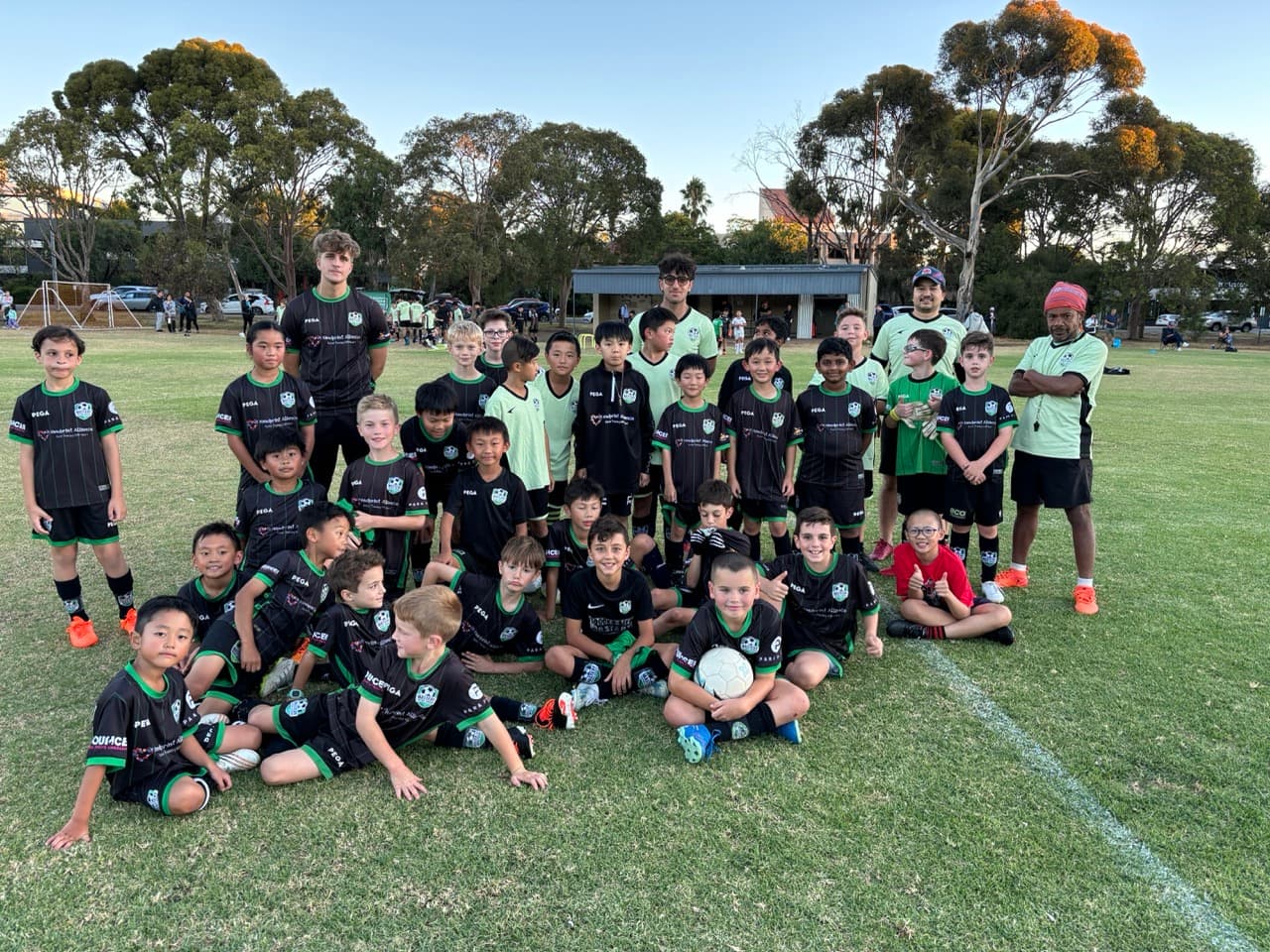
Volunteer club coaching
Community and junior clubs often rely on parents, players, and developing coaches to lead or assist a team for a season.
Commitment, fit and where to look
- Commitment
- Commonly one or two training nights plus a weekend match across the club season.
- Usually suits
- People who value a team connection, want a first practical role, or already belong to a local club.
02Negotiated or undisclosed
Paid club and team roles
Junior technical roles, senior teams, and first-team positions usually carry broader season responsibility than a single session.
Commitment, fit and where to look
- Commitment
- Training, match day, player selection, season planning, communication, and sometimes coordination with other teams.
- Usually suits
- Coaches who want ownership of a team and can commit across a full season.
03Hourly, casual, or per session
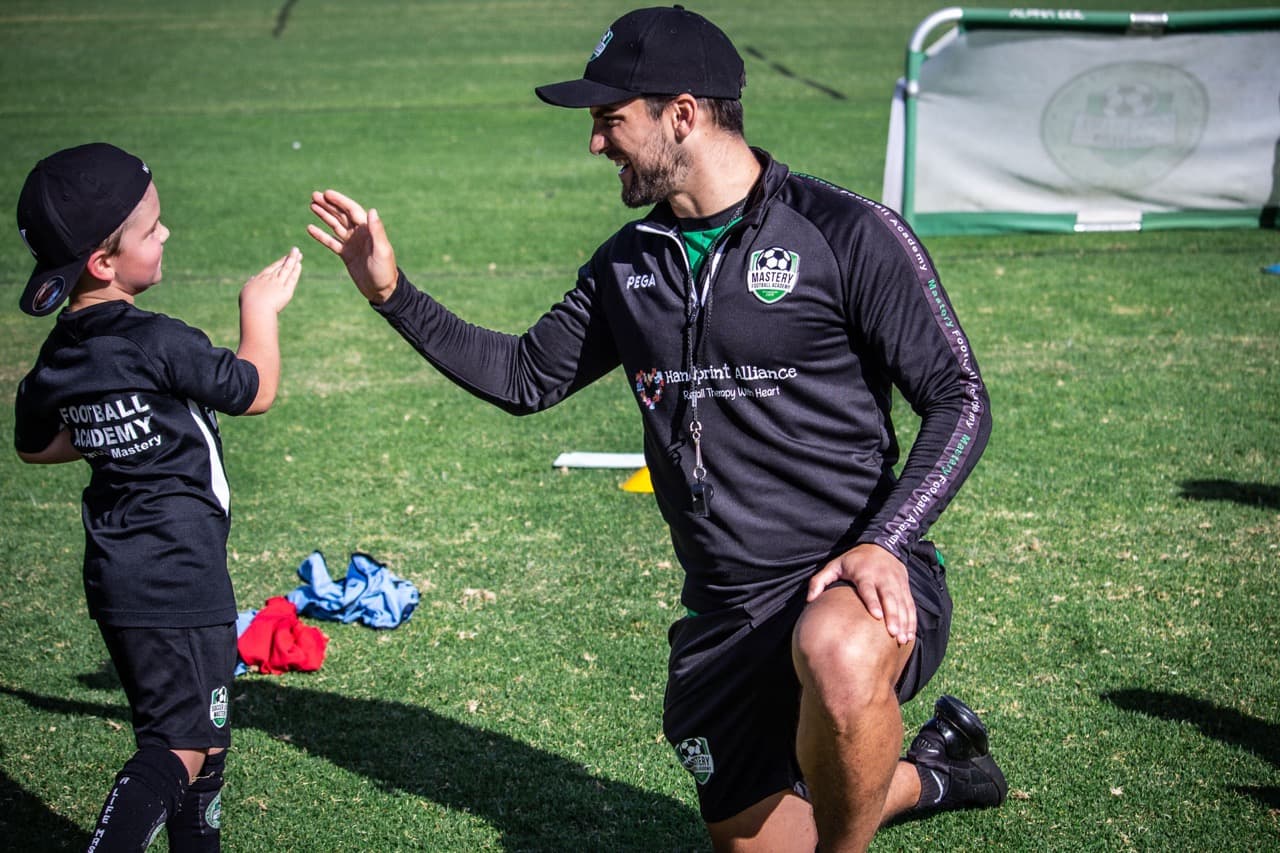
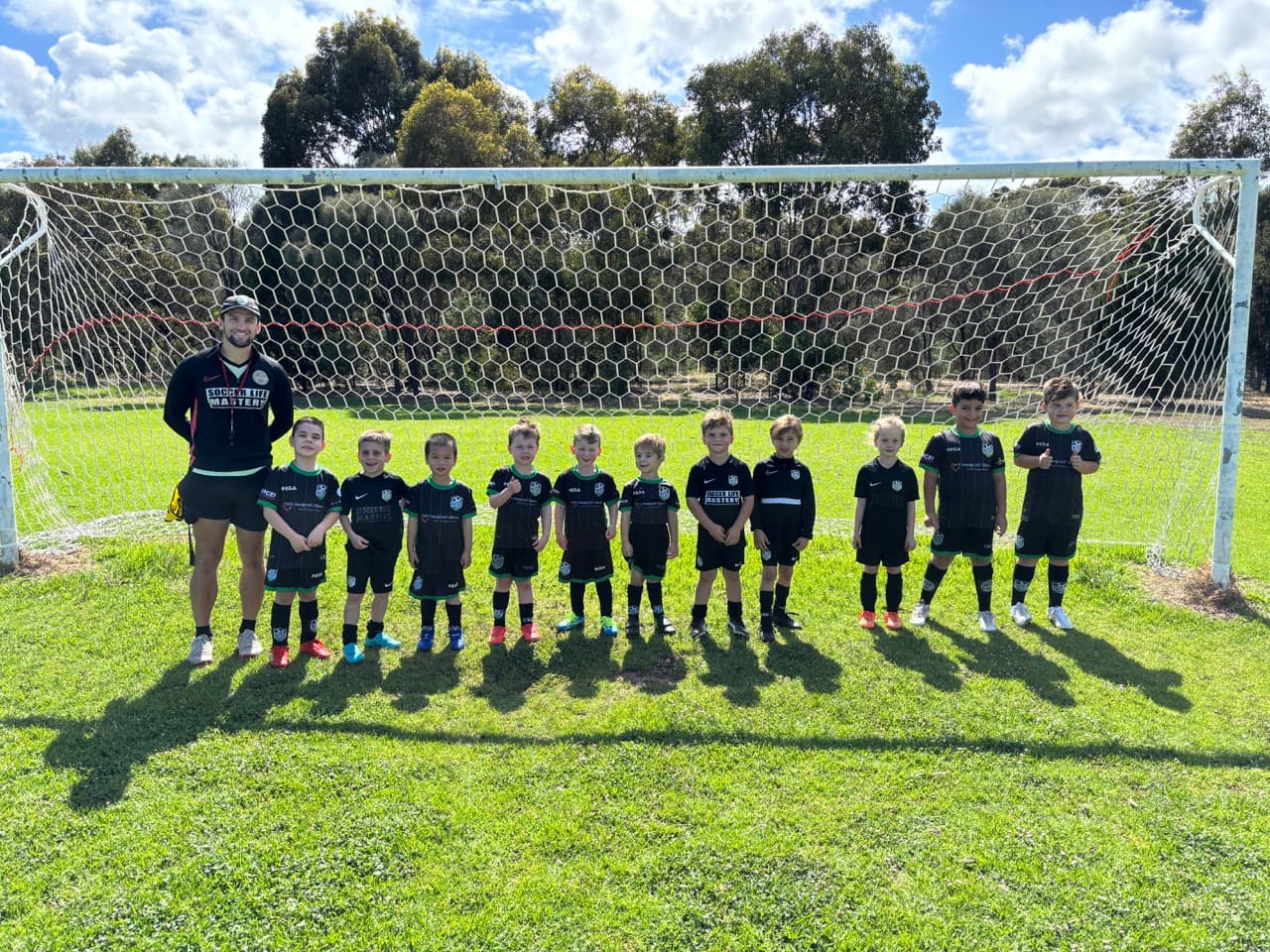
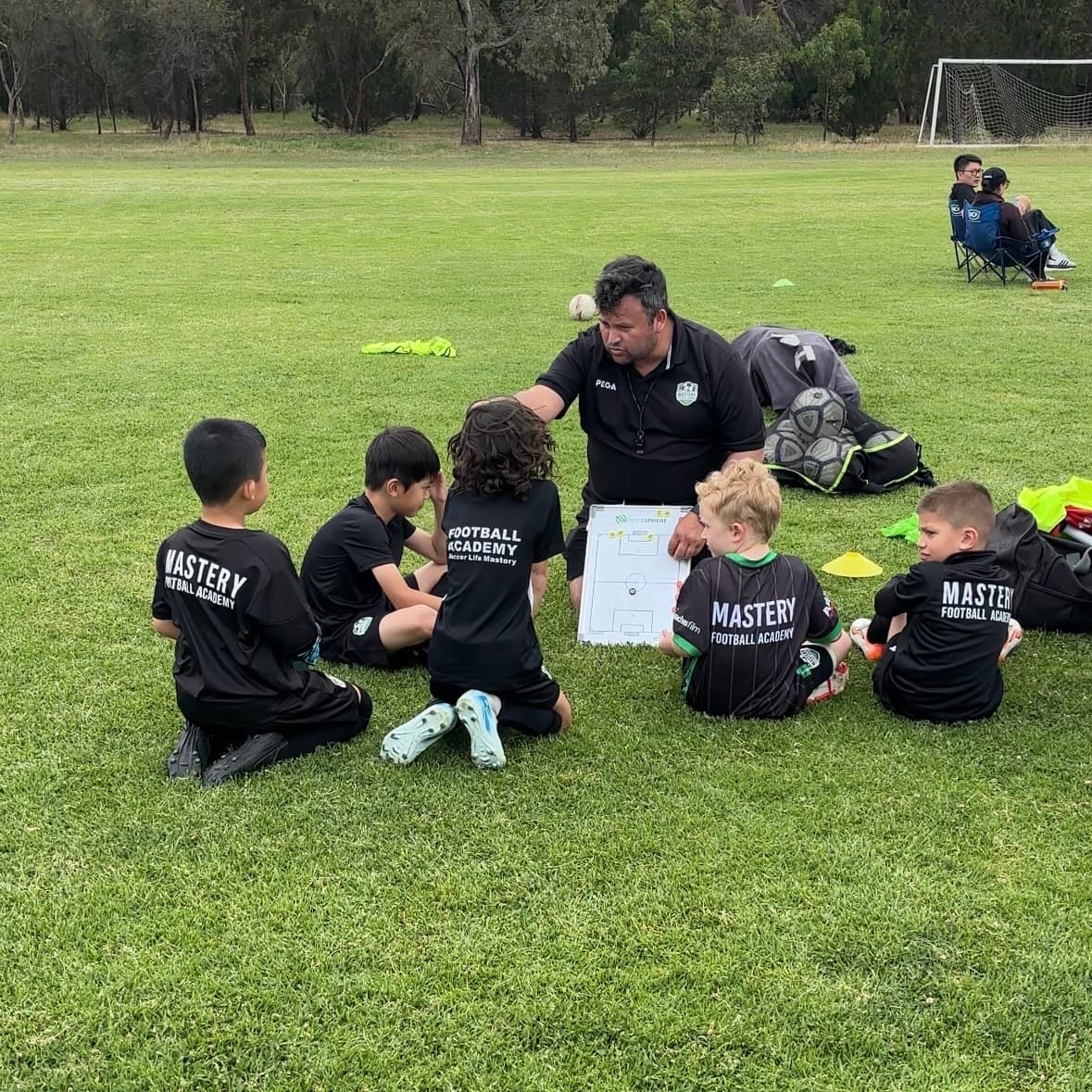
Academy and session coaching
Academies and football-development programs usually organise players, venues, and a program, then engage coaches to deliver defined sessions.
Commitment, fit and where to look
- Commitment
- After-school, evening, weekend, clinic, or school-program blocks. The relationship and paid unit vary by provider.
- Usually suits
- Coaches who prefer repeated delivery, youth development, and less responsibility for finding a team or customers.
04Often casual hourly work
School and community programs
Schools, OSHC providers, charities, and community organisations use football to deliver participation, wellbeing, and social outcomes.
Commitment, fit and where to look
- Commitment
- School hours, after-school programs, holiday blocks, or a small number of fixed weekly hours.
- Usually suits
- Coaches with strong communication who enjoy inclusive groups and may bring education or community-service experience.
05Coach sets the client price
Private and self-employed coaching
A coach can work directly with individual players or small groups and build an independent client base.
Commitment, fit and where to look
- Commitment
- Flexible in theory, but the coach usually owns marketing, enquiries, bookings, venues, cancellations, equipment, billing, and customer communication.
- Usually suits
- Experienced coaches who want commercial control and are comfortable running the whole service, not only the coaching hour.
Where to lookPersonal network, clubs, and direct referralsIndependent business and marketplace channels
06Rare; usually not publicly priced
High-performance and professional pathways
Professional clubs, representative programs, and specialist high-performance environments offer fewer roles and expect deeper evidence of capability.
Commitment, fit and where to look
- Commitment
- Program planning, staff collaboration, athlete management, analysis, competition, and responsibility beyond session delivery.
- Usually suits
- Highly experienced or qualified coaches building a longer-term technical career in the game.
Where to lookProfessional club career and community pagesFootball SA and Football Australia networks